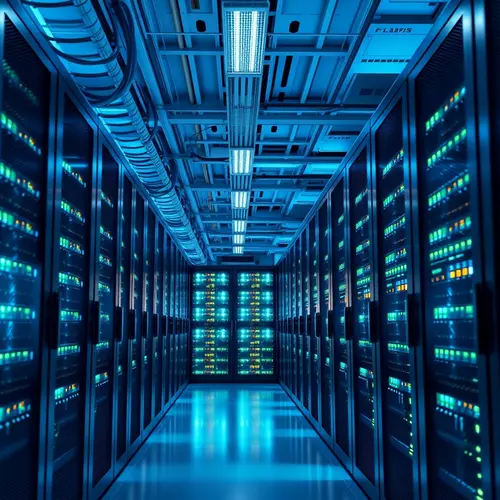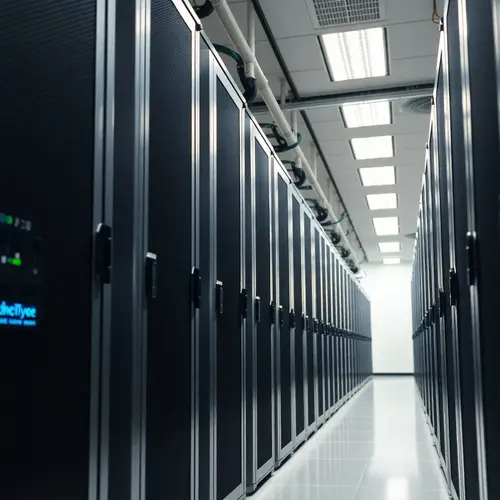
The intricate infrastructure of a modern data center, housing critical digital operations.
US Agencies Warn of Escalated Iranian Cyber Attacks Targeting Infrastructure
US cybersecurity, law enforcement, and intelligence agencies have reported an escalation in Iranian hacking campaigns. These campaigns are specifically targeting equipment used across multiple critical infrastructure sectors. The advisory states these Iranian cyber attacks US are in response to hostilities and seek to cause disruptive effects.
What Happened
Iranian hacking campaigns against US critical infrastructure have notably escalated. These attacks specifically target publicly exposed programmable logic controllers (PLCs) and supervisory control and data acquisition (SCADA) displays. These targeted devices are used to interact with or control critical infrastructure-related equipment and systems.
Details From Sources
Information regarding these escalating threats comes from a joint advisory. This advisory was issued by the FBI, National Security Agency (NSA), Cybersecurity and Infrastructure Security Agency (CISA), Environmental Protection Agency (EPA), Department of Energy (DOE), and US Cyber Command’s Cyber National Mission Force. Hackers are actively seeking to cause “disruptive effects within the United States,” according to the advisory.
In a few cases, this activity has already resulted in operational disruption and financial loss. Hackers have interacted with data files within systems to alter display data. They have also extracted device project data. Critical infrastructure organizations targeted include government services and facilities, water and wastewater systems, and energy sectors. This information was reported by iTnews.
Why This Matters
Targeting critical infrastructure carries significant implications for US critical infrastructure security. Such attacks highlight the potential for widespread “disruptive effects” within the United States. The reported incidents underscore serious ICS security threats.
Some incidents have already led to operational disruption and financial loss. Protecting these vital systems is crucial. Continued vigilance against government services hacking is essential.
Background Context
The advisory states that this escalation of Iranian cyber attacks US is “in response to hostilities, US says.” This increased activity has been observed “Since start of war, US says.”
Future Implications (SPECULATIVE)
Based on the advisory’s warnings of ongoing “disruptive effects,” continued vigilance against these cyber campaigns is expected. This suggests an ongoing cybersecurity escalation Iran affecting US critical infrastructure. The need for robust defenses remains paramount.
Conclusion
Iranian cyber attacks against US critical infrastructure are escalating, prompting warnings from multiple US agencies. These campaigns aim to cause disruptive effects, with observed operational and financial impacts. The focus remains on protecting vital systems from these persistent threats.
FAQ
Q1: What specific types of equipment are Iranian hackers targeting in the US?
A1: Iranian hackers are targeting publicly exposed programmable logic controllers and supervisory control and data acquisition (SCADA) displays. These are used to interact with or control critical infrastructure systems.
Q2: Which US government agencies issued the advisory about these escalating cyber attacks?
A2: The advisory was issued by the FBI, National Security Agency (NSA), Cybersecurity and Infrastructure Security Agency (CISA), Environmental Protection Agency (EPA), Department of Energy (DOE), and US Cyber Command’s Cyber National Mission Force.
Q3: What are the stated objectives and known outcomes of these Iranian cyber attacks on US critical infrastructure?
A3: The hackers are seeking to cause “disruptive effects within the United States.” In some cases, their activity has resulted in operational disruption and financial loss.
Q4: Which critical infrastructure sectors have been targeted by Iranian hacking operations?
A4: The hacking operations have targeted unnamed critical infrastructure organizations in the government services and facilities, water and wastewater systems, and energy sectors.