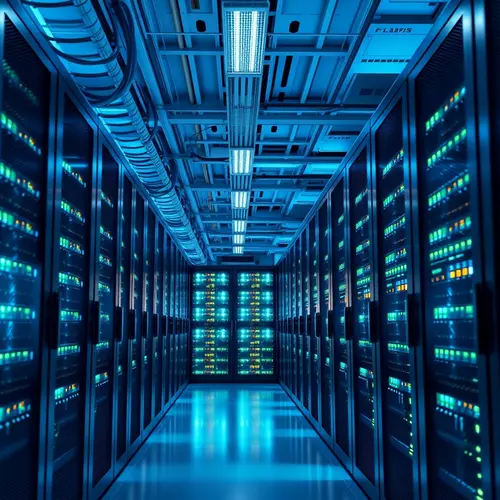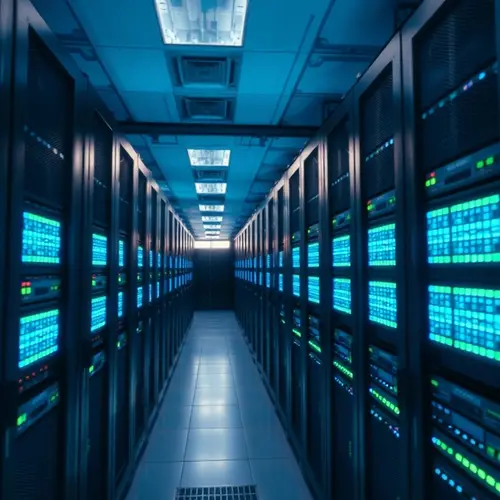
The physical architecture underpinning modern digital systems.
China’s AI Token Advantage: Overtaking US Rivals in Consumption
Chinese AI models, specifically DeepSeek and MiniMax, have surpassed their US rivals in token consumption since February. This development highlights a significant China AI token advantage, primarily driven by a cost efficiency in producing tokens. The trend carries substantial implications for global AI competition.
What Happened
Data from OpenRouter, a platform tracking units of text, code, or data processed by large language models, confirms this shift. Chinese AI models, including DeepSeek and MiniMax, have consumed more tokens than US competitors since February, as reported by Zijing Wu of the Financial Times. This marks a notable shift in the AI industry competition landscape.
Details From Sources
Tokens are fundamental units of text, code, or data that large language models process. A key driver of the China AI token advantage is cost. Chinese AI groups such as MiniMax and Moonshot charge $2 to $3 per million output tokens. In contrast, Anthropic’s Claude Sonnet 4.5 costs about $15 for the same volume. This represents a nearly sixfold pricing gap.
The reasons for this significant cost advantage include cheaper energy and more efficient models employed by Chinese AI developers. Will Liang, chief executive of Amplify AI Group, commented on the situation. He stated, “If your agent is burning through millions of tokens a day, even a small per-token price difference becomes a significant line item.” Liang added, “That’s a structural tailwind for Chinese labs, and it only grows as agentic adoption scales.”
Why This Matters
The ability to cheaply produce tokens is actively reshaping global competition in the AI industry. This development provides China with a new strategic edge in the field of artificial intelligence. AI agents, such as those built on OpenClaw, consume vastly more tokens than earlier chatbots. Consequently, even minor cost differences become substantial.
Background Context
The increasing prevalence of AI agents has elevated the importance of token production costs. These advanced AI agents consume significantly more tokens than the simpler chatbots of the past. This has made efficiency and pricing crucial factors.
Industry Reactions
Will Liang of Amplify AI Group reiterated his observation regarding this trend. He emphasized that the cost advantage creates a “structural tailwind for Chinese labs.” This tailwind, he noted, will further strengthen as the adoption of agentic AI solutions scales across the industry.
Related Data or Statistics
Pricing data highlights the disparity in token consumption costs. Chinese models from MiniMax and Moonshot are priced at $2-$3 per million output tokens. Anthropic’s Claude Sonnet 4.5, a US rival, costs approximately $15 per million output tokens. This creates a substantial near sixfold gap in pricing.
Future Implications (CLEARLY LABEL AS SPECULATIVE)
Expert Observations
Experts view this cost advantage as a “structural tailwind” for Chinese laboratories. This tailwind is expected to grow as the adoption of AI agents scales. Such a trend could further reshape global competition within the AI sector.
Conclusion
China is demonstrating a clear China AI token advantage, influencing the global AI landscape. This advantage stems from lower token production costs and more efficient Chinese AI models. These factors are becoming increasingly critical as AI agents gain wider adoption.
FAQ Section
- What is the “China AI token advantage”?
Chinese AI models have a cost advantage in producing “tokens,” which are units of data processed by large language models, leading to higher token consumption than US rivals.
- Which Chinese AI models are showing this trend?
Models from groups like DeepSeek, MiniMax, and Moonshot are demonstrating this trend.
- How significant is China’s cost advantage in AI tokens?
Chinese models can charge $2 to $3 per million output tokens, compared to about $15 for Anthropic’s Claude Sonnet 4.5, representing a nearly sixfold difference.
- What factors contribute to China’s cost advantage in AI tokens?
This cost advantage stems from cheaper energy and more efficient models used by Chinese AI groups.
- Why is the cost of tokens becoming more important?
AI agents now consume vastly more tokens than earlier chatbots, making even small per-token price differences a significant factor for companies.