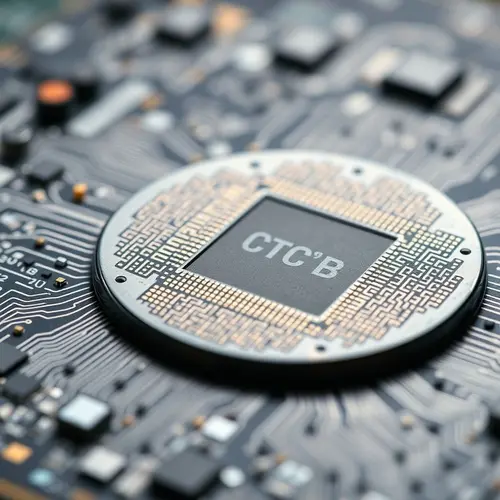
Examining the intricate details of a silicon wafer, a foundational component of modern technological advancement.
Apple Accelerates US Chip Production Amid Geopolitical Tensions
Apple is significantly increasing its focus on US semiconductor manufacturing. This strategic shift is largely driven by rising geopolitical tensions concerning Taiwan. The technology giant is pressuring its suppliers to bring foundational chip technology to the U.S., intensifying efforts for Apple US chip production.
What Happened
Apple is actively involved in rebuilding domestic semiconductor manufacturing. The company encourages its suppliers to establish foundational chip technology within the United States. Geopolitical tensions over Taiwan have added urgency to these initiatives, highlighting the importance of a robust Apple chip supply chain.
Details From Sources
A reporter observed Apple’s considerable efforts in Texas and Arizona, according to the Wall Street Journal. This included a plant in Houston that produces AI servers for Apple. Advanced technologies were seen in U.S. facilities according to the Wall Street Journal.
Observations included a 35-foot-tall cylinder creating 600-pound silicon torpedoes. An intricate ceiling-mounted subway system for chip wafers was also present. A machine for wafer patterning, costing $400 million, was noted.
These U.S. factories are distinct from iPhone assembly operations. iPhone assembly remains concentrated in China, employing many more people. The U.S. efforts by Apple and its suppliers are modest when compared to the global semiconductor supply chain. They represent a small percentage of Apple’s total chip demand.
Why This Matters
Geopolitical tensions over Taiwan have accelerated Apple’s domestic manufacturing push. China claims Taiwan as its territory and has threatened to take it over. Semiconductor technology is a foundational element of the modern economy, making a resilient domestic semiconductor industry crucial.
Background Context
Apple previously played a major role in developing Taiwan Semiconductor Manufacturing (TSMC). It became a leading chip industry player. This was achieved by committing to produce its latest iPhone chips in TSMC’s Taiwan plants.
Future Implications (SPECULATIVE)
Success in chip-making is a long-term endeavor. It is typically measured in decades, not just years. This suggests that sustained effort will be required for the domestic semiconductor industry to fully grow.
Conclusion
Apple is making a strategic move towards increasing US chip production. This shift is driven by a need for supply chain resilience and geopolitical considerations. It represents a long-term, foundational change for Apple and the broader US domestic semiconductor industry.
FAQ
Q1: What is Apple doing to boost US chip production?
A1: Apple is helping to rebuild semiconductor manufacturing in the U.S. by pressuring suppliers to bring foundational chip technology domestically.
Q2: What is driving Apple’s acceleration of US chip manufacturing?
A2: The acceleration is primarily driven by rising geopolitical tensions over Taiwan, which China claims and has threatened to take over.
Q3: How significant are Apple’s current US chip efforts globally?
A3: While a start, Apple’s and its suppliers’ U.S. efforts are considered modest relative to the global semiconductor supply chain and represent a small percentage of Apple’s total chip demand.
Q4: What kind of technology is involved in these US chip facilities?
A4: Facilities observed in Texas and Arizona include advanced technologies such as a 35-foot-tall cylinder that creates 600-pound torpedoes of pure silicon, a ceiling-mounted subway system for chip wafers, and a $400 million machine for wafer patterning.
Q5: What was Apple’s past role in the Taiwan chip industry?
A5: Apple played a major role in establishing Taiwan Semiconductor Manufacturing (TSMC) by committing to produce its latest iPhone chips in TSMC’s Taiwan plants.